Four Colors of Tibet: Seeing Faith through Stone
In Tibet, jewelry is never simply decoration.
Walk through Barkhor Street in Lhasa or pass a Tibetan elder on a pilgrimage route, and you will notice the deep reverence for stones that fills this land. Where urban jewelry culture may emphasize diamond clarity or the weight of gold, the aesthetic of the plateau is bold, substantial, and profound.
Color matters here, but protection matters even more. These stones represent the blue of the sky, the red of blood, the indigo of the stars, and the mysterious power of sacred beings. In Tibetan belief, wearing these colors is like wearing the sacred strength and protection of nature.

The Sanctuary of the Soul: Turquoise
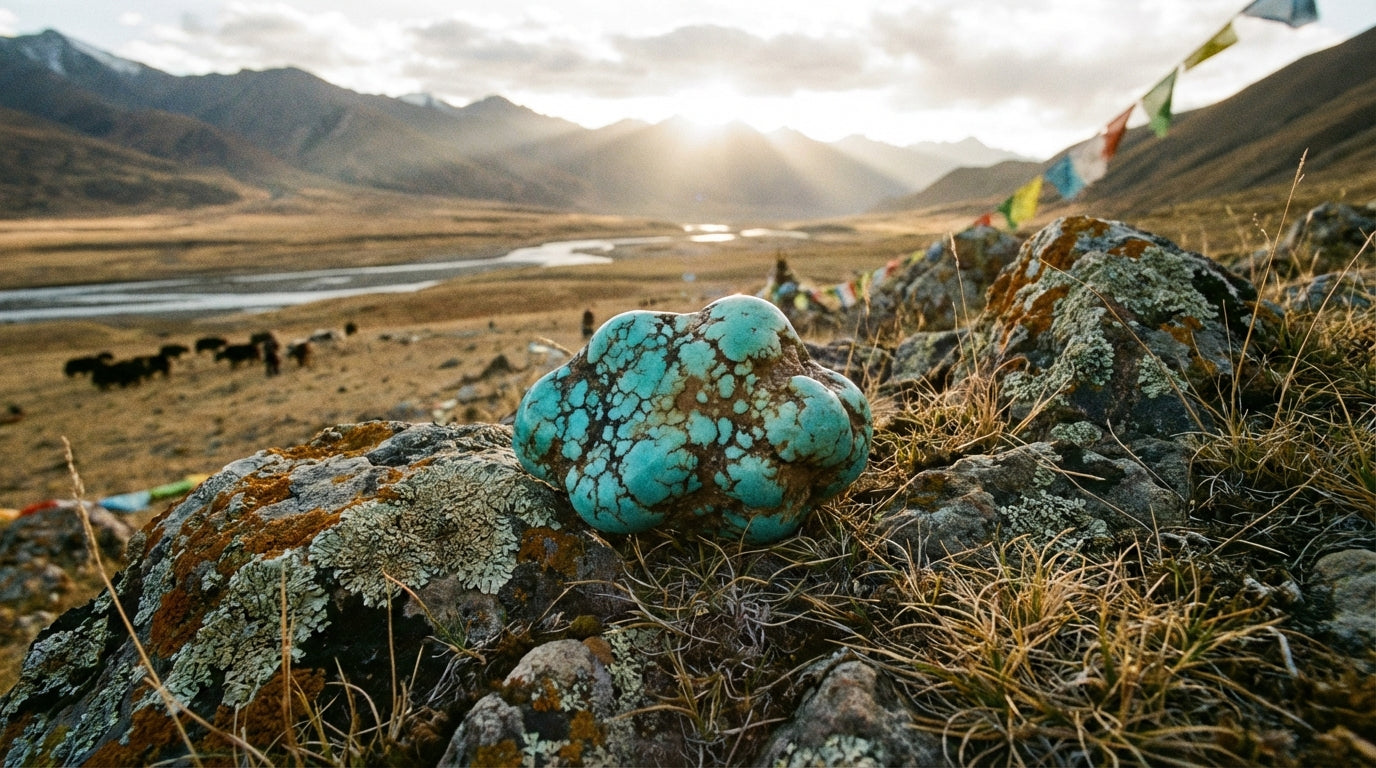
If one color could represent Tibet, it would undoubtedly be turquoise.
In Tibetan, it is known as yu. Ancient stories describe turquoise as a dwelling place of the soul. For Tibetans, a neck without turquoise is likened to a body without a soul. Its color, suspended between blue and green, evokes the plateau's purest skies and lakes.
The most captivating turquoise is not always flawless. It often contains dark matrix lines. Connoisseurs do not see these as defects, but as natural texture resembling mountain ranges viewed from above or lightning crossing the night sky. To wear turquoise is to seek nature's vitality and tranquility.

Flowing Red Blood: Nanhong Agate
Against the gray-brown canvas of the plateau, few sights are as stirring as a flash of red.
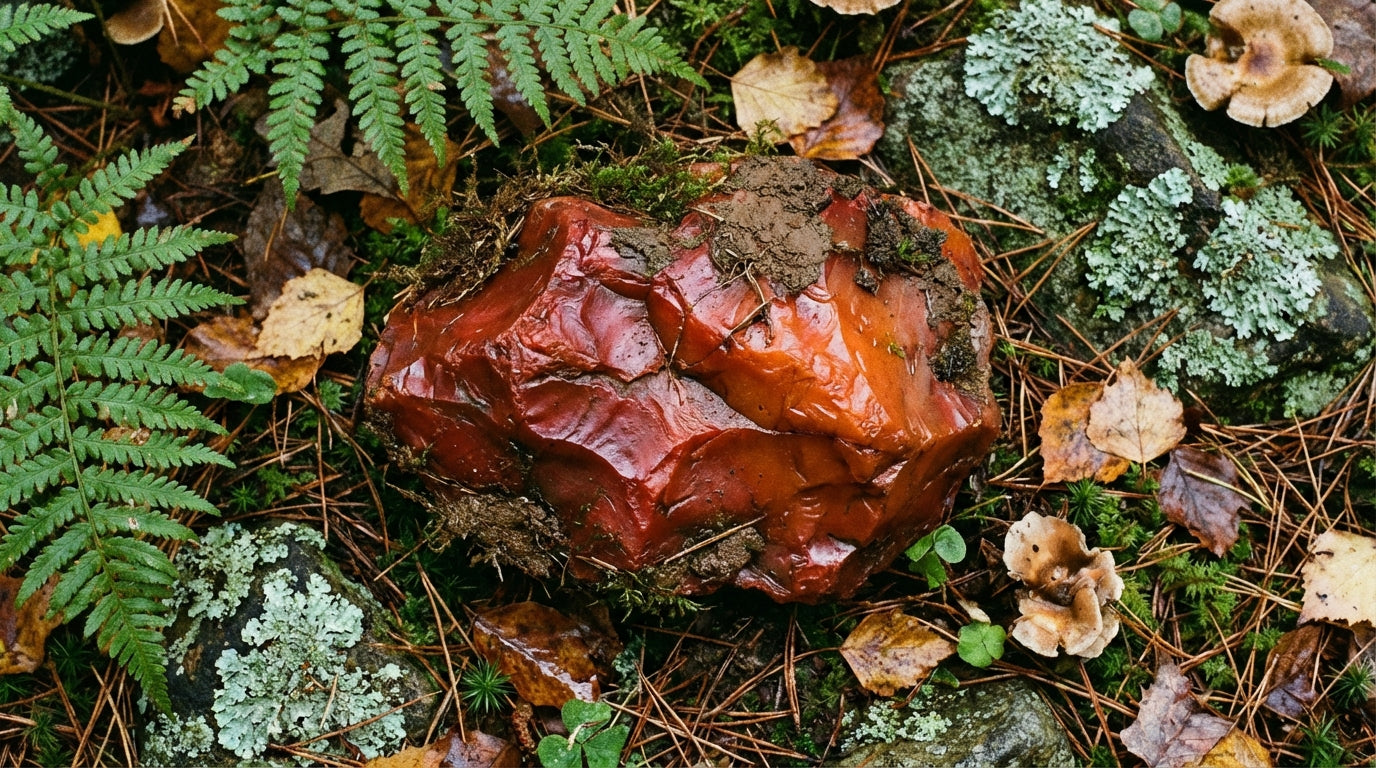
Red coral historically represented this color, while Nanhong agate—with its warm, jade-like tone and composed depth—has become an especially vivid expression of red in Tibetan aesthetics. Unlike the cool transparency of ordinary agate, fine Nanhong has a distinctive waxy luster. It appears restrained, yet contains a sense of great strength.
In Tibetan culture, red symbolizes flame, blood, and vigorous life. People living in a cold, high-altitude environment long for this fire-like energy. Wearing bright Nanhong beads is traditionally believed to regulate vitality, support circulation, and bring health and vigor. It is imagined as an undying flame that warms body and mind.

Remnants of the Divine: Dzi
No form of Tibetan jewelry carries as much mystery and awe as the Dzi bead.
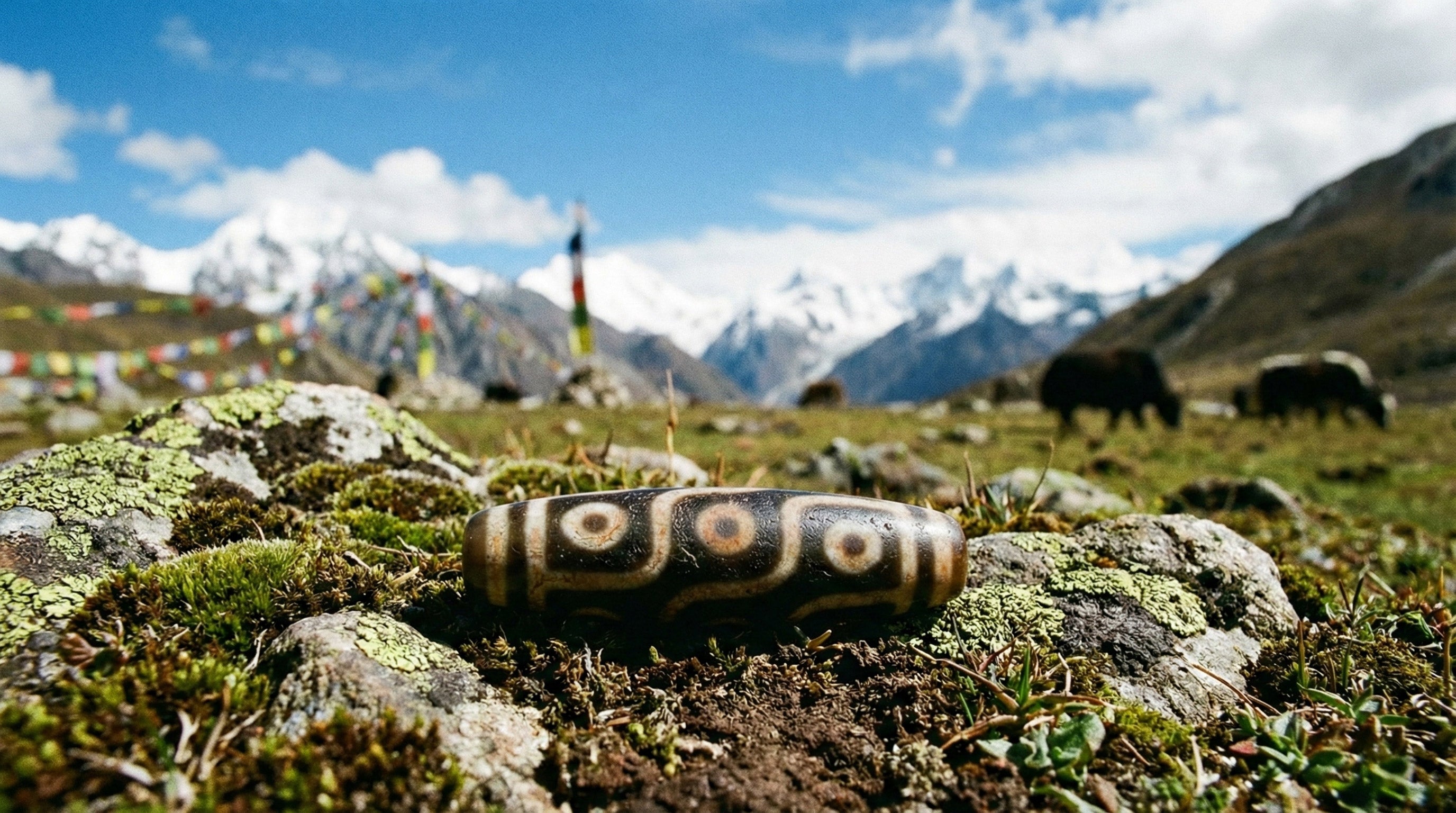
Known as a “stone from heaven,” Dzi beads are said in Tibetan legend to have once been ornaments of divine beings—or perhaps spirit insects flying through the heavens that became fossilized the moment they touched the earthly world. Their eyes and lines are seen not as simple carvings, but as sacred natural totems.
With stark black-and-white patterns, Dzi beads symbolize supreme protection. In Tibet, an old bead may be a priceless family heirloom passed down through generations. People believe it possesses a powerful field that can overcome inner fear and guard against external misfortune. Wearing a Dzi is compared to carrying an “eye of wisdom” that watches over you in the dark.

The Medicine Buddha's Deep Blue: Lapis Lazuli
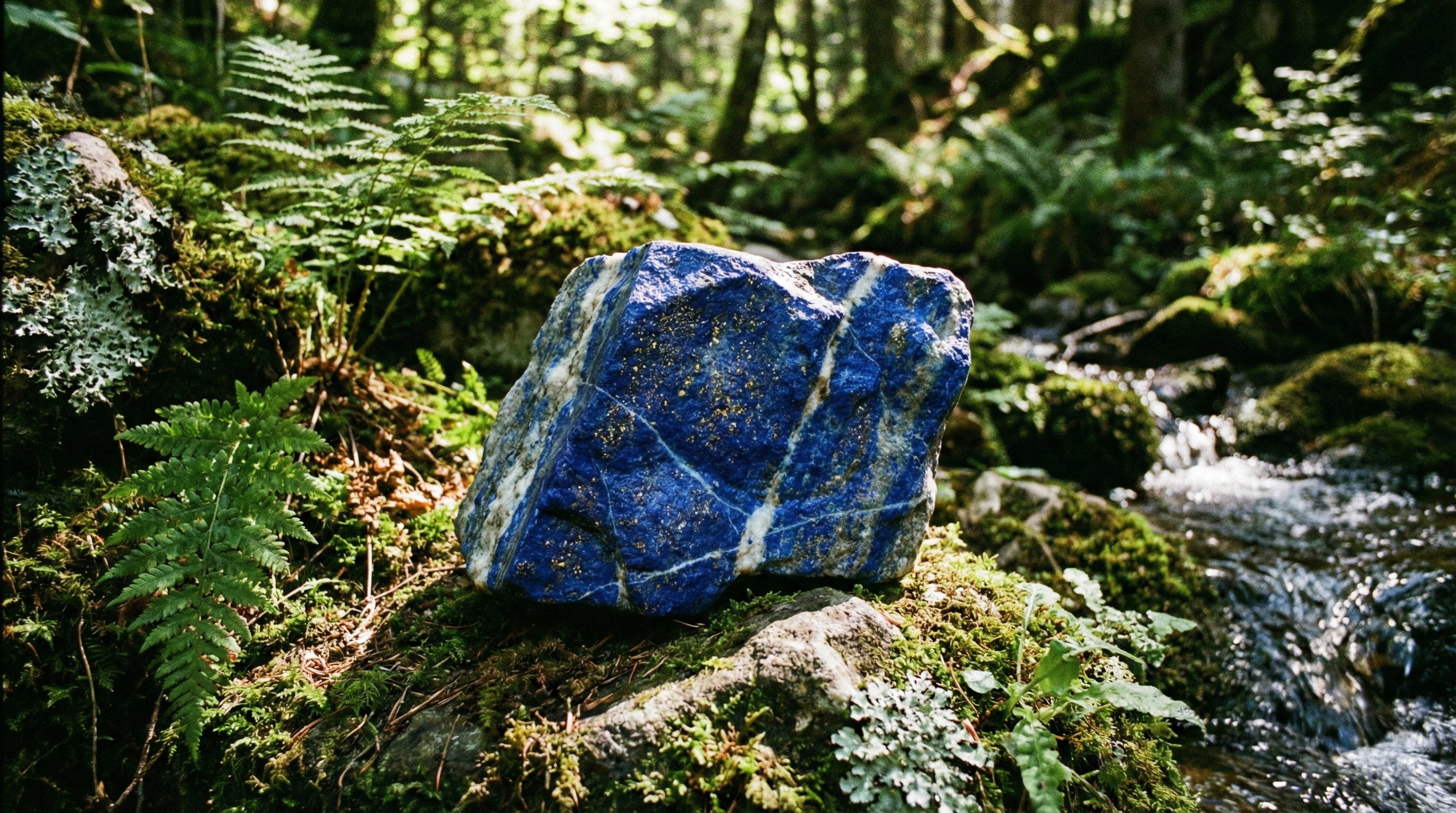
Looking into fine lapis lazuli can feel like gazing into the plateau's night sky: a deep and solemn blue scattered with golden pyrite like stars.
This “imperial blue” holds a sacred place in Tibetan Buddhism because it corresponds to the body color of the Medicine Buddha.
Lapis lazuli is therefore associated with healing and purification. It represents supreme wisdom and inner order. In a restless age, a strand of lapis lazuli can seem to offer immediate calm, helping the wearer find balance in its deep blue stillness while making an aspiration for physical and mental well-being.

A Final Reflection
The beauty of Tibetan jewelry lies in irregularity and in the art of combining different materials.
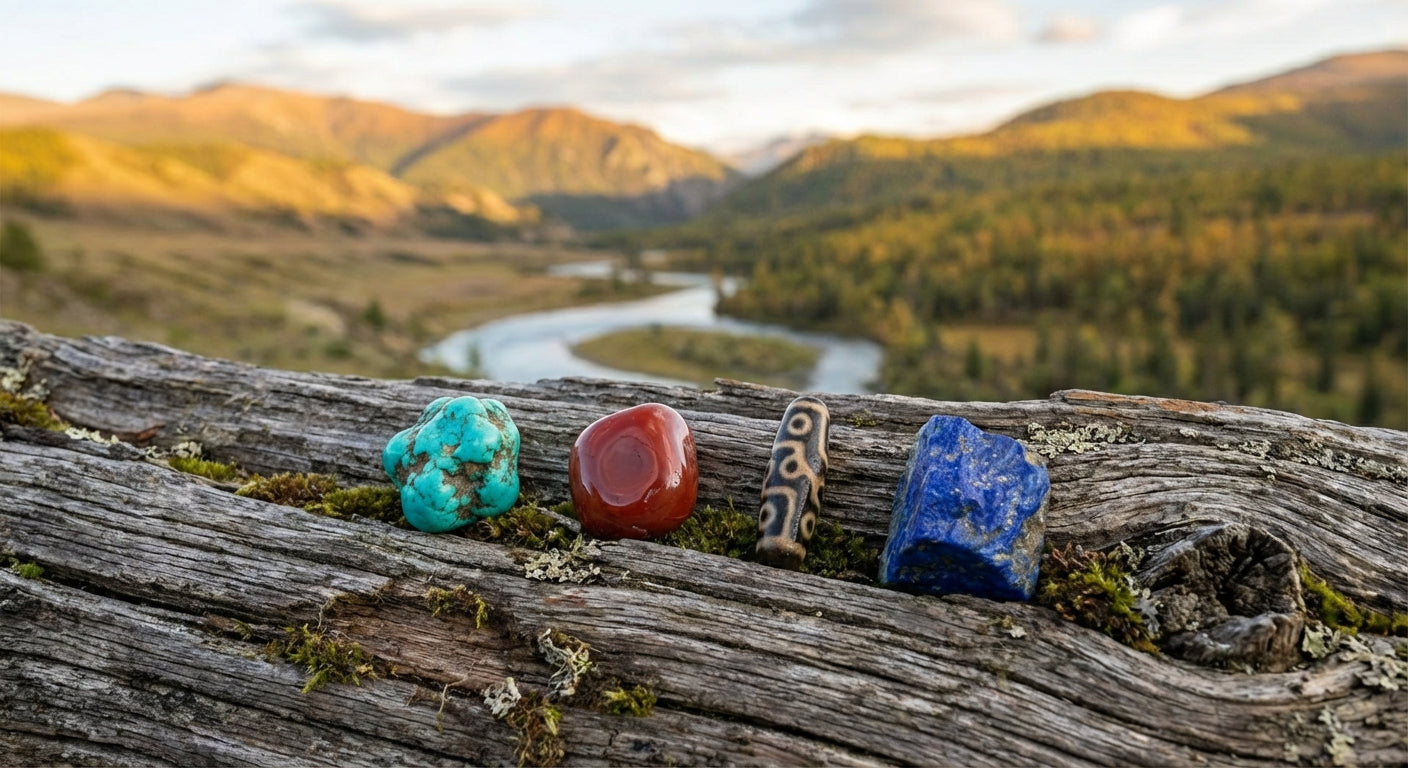
Tibetans enjoy bringing these four stones together: lively turquoise, passionate Nanhong, mysterious Dzi, and contemplative lapis lazuli. Red meets green, black-and-white symbolism meets vivid color, and earth and sky are joined.
When you choose a piece of Tibetan jewelry, you take with you more than a gemstone. You carry an aesthetic and a tradition of faith passed down for centuries. You wear the plateau's mountains, stars, and stories.